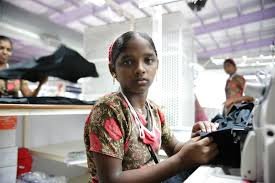
In the new era of internet and social media, you might stumble upon and learn some of product labels such as animal cruelty-free, vegan-friendly, eco-friendly, organic, etc. This campaign is widely used by companies to market their products to differentiate it from competitors and be responsible to environment and society. It more commonly used in makeup, skin-care, fashion and other part of beauty industry. But you might not aware that the beauty industry, in this matter fashion industry still employ and exploit child labourers to work in the making of textiles and garment to satisfy the demand of consumers.
Based on statistics from ILO, 218 million children aged 5-17 years are in employment, 152 million among them are victims of child labour and almost half of them (73 million) work in hazardous child labour.The agriculture sector accounts for the majority of child labour at 71%. Agriculture is also a significant employer of migrant child labour, who are particularly vulnerable to exploitation.
As reported by ILO on the publication titled Child Labour in Cotton – A Briefing, many children engaged in cotton related work for long hours, significantly above the limit set by national legislation and may receive little or no pay. In many cases this work is at expense of their education. Children may work closely with toxic pesticides in many countries where there is often insufficient legislation, information and regulations on application, further increasing their risk of exposure.
The use of child labour to meet a high labour demand, weak legal enforcement, as well as the low profit margins of small producers which hinder the hiring. The problem of child labour is further exacerbated by reports of state mandated quotas of up to 50kg per day where punished if they do not meet them. This practice has previously been reported in Uzbekistan, Tajikistan, Kyrgyzstan and China.
Comment here